
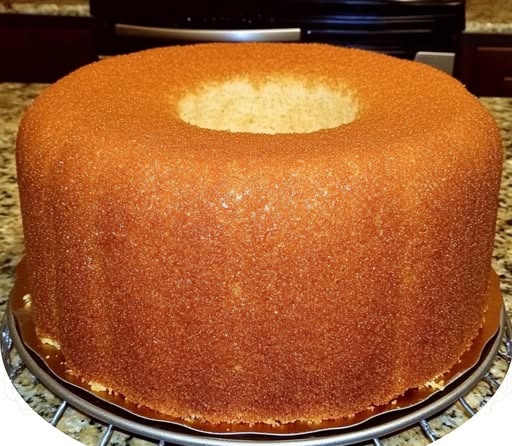
Description A traditional Pound Cake is a rich, dense dessert characterized by its golden-brown crust, fine crumb, and buttery flavor profile. Baked in a classic tube or loaf pan, it features a tender interior and a sturdy, sliceable structure.
Introduction Pound Cake is one of the most enduring bakehouse staples in home kitchens. Relying on simple pantry ingredients mixed in equal measure, this dessert yields a moist, velvet-textured cake that works equally well plain or topped with fresh fruit and whipped cream.
Origin & Cultural Significance Originating in Northern Europe during the early 1700s, the cake earned its name from its original recipe ratio: one pound each of flour, butter, sugar, and eggs. Because literacy rates were low and cookbooks were rare at the time, this 1:1:1:1 formula made the recipe easy to memorize. Over time, the recipe traveled to the American South, where cooks adapted it by incorporating leavening agents, milk, sour cream, or flavor extracts to soften the crumb. It remains a fixture at Southern gatherings, holidays, and Sunday dinners.
Ingredients & Quantity
- Unsalted Butter: 2 cups (4 sticks / 1 lb), softened at room temperature
- Granulated Sugar: 2 cups (~1 lb)
- Eggs: 8 large (~1 lb), room temperature
- All-Purpose Flour: 3.5 cups (sifted / 1 lb)
- Vanilla Extract: 2 teaspoons
- Salt: ½ teaspoon
- Baking Powder: ½ teaspoon (optional, for a lighter rise)
Instructions
- Prep: Preheat oven to 325°F (165°C). Generously grease and flour a 10-inch tube pan or two standard loaf pans.
- Cream Butter & Sugar: In a large bowl, beat the softened butter and sugar on medium-high speed for 5–7 minutes until pale, fluffy, and light.
- Add Eggs: Add the eggs one at a time, mixing well after each addition to keep the emulsion intact. Stir in the vanilla extract.
- Combine Dry Ingredients: Whisk the sifted flour, salt, and optional baking powder together in a separate bowl.
- Mix Batter: Gradually add the flour mixture to the wet ingredients on low speed, mixing just until combined. Do not overmix.
- Bake: Pour the batter into the prepared pan and smooth the top. Bake for 60 to 75 minutes, or until a wooden skewer inserted near the center comes out clean.
- Cool: Allow the cake to cool in the pan for 15 minutes, then invert onto a wire rack to cool completely.
Optional Additions
- Citrus Zest: Fresh lemon or orange zest folded into the batter.
- Warm Spices: Ground nutmeg, mace, or cinnamon.
- Glazes: A simple lemon juice glaze, chocolate drizzle, or powdered sugar dusting.
- Mix-ins: Dried fruit, chocolate chips, or chopped pecans tossed in a tablespoon of flour before stirring in.
Tips for Success
- Room Temperature Ingredients: Ensure butter and eggs are at room temperature to prevent the batter from curdling during creaming.
- Cream Thoroughly: Take the full 5–7 minutes to cream the butter and sugar—this incorporates the air needed for the cake to rise properly without heavy reliance on chemical leaveners.
- Avoid Overmixing: Once the flour is introduced, mix gently on low speed to prevent gluten development, which turns the cake tough instead of tender.
Nutritional Information (Per Serving, based on 16 slices)
- Calories: ~380–420 kcal
- Protein: 5 g
- Fat: 22 g
- Saturated Fat: 13 g
- Carbohydrates: 42 g
- Sodium: 180 mg
Embracing Healthful Indulgence To enjoy a lighter slice without forfeiting texture, replace half of the butter with full-fat Greek yogurt or unsweetened applesauce. You can also reduce refined sugar slightly and serve smaller slices paired with a generous mound of antioxidant-rich fresh berries and lightly sweetened ricotta.
Conclusion & Recommendation Pound cake remains a foundational triumph of simple baking. Because of its sturdy structure, it freezes exceptionally well and serves as a versatile canvas for shortcakes, trifle layers, or grilled cake slices topped with fresh peaches and ice cream.