
Introduction
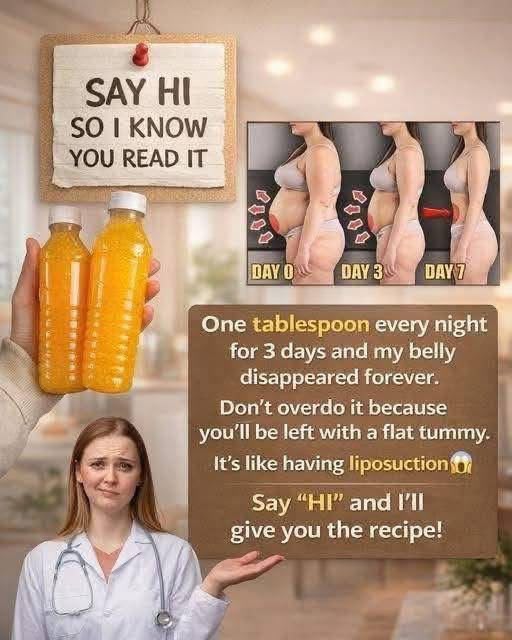
Clickbait weight-loss spam refers to social-media posts designed to attract attention with exaggerated promises about losing weight quickly or effortlessly. These posts often use sensational headlines, dramatic before-and-after images, and claims that a particular food, drink, supplement, or “secret method” can produce extraordinary results.
Origin
This type of content evolved from traditional health advertising and became especially widespread with blogs, viral posts, affiliate marketing, and social-media platforms. Algorithms that reward clicks, comments, and shares can make sensational weight-loss claims particularly effective at spreading.
Cultural Significance
Weight-loss clickbait reflects society’s strong interest in health, appearance, and quick solutions. It can also contribute to unrealistic expectations about dieting and body image, especially when unsupported claims are presented as scientific facts.
Ingredients & Quantity
There are no legitimate ingredients or recipe quantities for weight-loss spam. Common posts may promote things such as:
- “Detox” drinks
- Herbal mixtures
- Supplements
- Very-low-calorie diets
- Unverified food combinations
These should not automatically be assumed to cause weight loss.
Optional Additions
For a responsible educational post, consider adding:
- A fact-checking disclaimer
- Links to reputable health information
- A reminder that sustainable weight management varies between individuals
- A warning about exaggerated “lose weight overnight” claims
Tips for Success
If creating educational content about this topic:
- Avoid promising a specific amount of weight loss.
- Don’t use misleading before-and-after imagery.
- Distinguish testimonials from scientific evidence.
- Be cautious of products claiming miraculous results.
- Encourage readers to consult qualified healthcare professionals for individualized advice.
Instructions
- Identify the sensational claim.
- Check whether credible evidence supports it.
- Look for missing information, such as calories, study details, or product ingredients.
- Watch for phrases such as “secret trick,” “melt fat,” or “guaranteed results.”
- Avoid sharing the post simply because it is shocking or emotionally persuasive.
- Replace unsupported claims with accurate, balanced information.
Description
Clickbait weight-loss spam often combines eye-catching graphics with dramatic promises designed to encourage users to click a link, purchase a product, or share the post. Its persuasive presentation can make weak or unsupported claims appear more credible than they actually are.
Nutritional Information
There is no nutritional information because this is a type of social-media content rather than a food or recipe. Any nutritional or weight-loss claim contained within such a post should be independently verified.
Conclusion
Weight-loss clickbait can be entertaining or persuasive, but sensational claims should not be confused with reliable health guidance. A healthy approach focuses on evidence, realistic expectations, balanced nutrition, physical activity, sleep, and sustainable habits.
Recommendation
Treat “miracle weight-loss” posts with skepticism, particularly when they promise dramatic results without explaining the evidence. Avoid purchasing supplements or following restrictive diets based solely on viral social-media claims.
Embracing Healthful Indulgence
Healthy living does not require eliminating every enjoyable food or chasing instant results. A more sustainable approach is to enjoy foods in moderation, prioritize nutritious meals, stay active, and build habits that can realistically be maintained over time. 🌿🥗✨