
Introduction
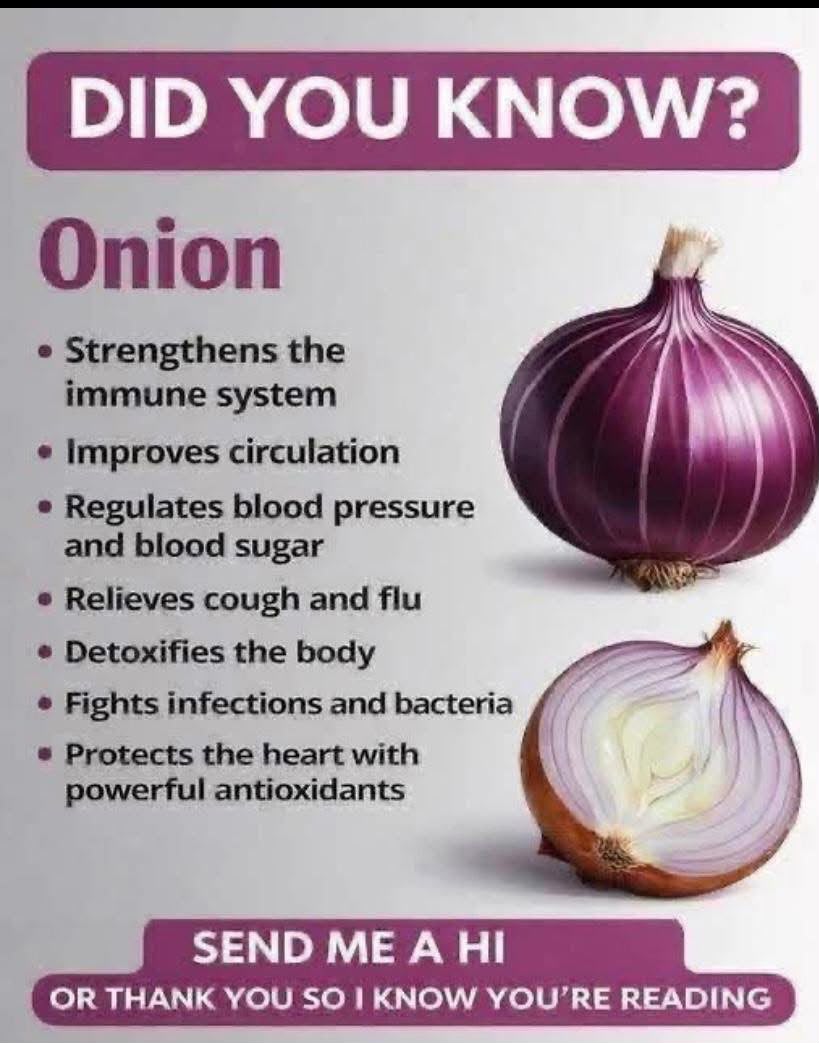
Onions are an everyday kitchen staple that provide more than flavor. They contain fiber, vitamin C, and various plant compounds, making them a nutritious addition to a balanced diet. However, social-media graphics sometimes exaggerate onion’s benefits, so it is important to distinguish nutrition facts from unsupported health claims.
Origin
Onions have been cultivated for thousands of years and are believed to have originated in parts of Asia. Their adaptability and ability to be stored for long periods helped make them an important food across many ancient civilizations.
Cultural Significance
Onions appear in cuisines around the world, from Mediterranean and Middle Eastern dishes to South Asian, African, European, and American cooking. They are used raw, caramelized, grilled, roasted, pickled, and incorporated into sauces, soups, stews, and salads.
Ingredients & Quantity
For a simple nutritious onion-based side:
- 1 medium onion, sliced
- 1 teaspoon olive oil
- 1 tablespoon fresh parsley, optional
- 1 teaspoon lemon juice, optional
- A pinch of black pepper
- A small pinch of salt
Optional Additions
- Garlic
- Fresh herbs
- Tomatoes
- Bell peppers
- Beans or lentils
- A small amount of chili pepper
- Balsamic vinegar
Tips for Success
- Use fresh onions with firm, dry outer skins.
- Different varieties offer different flavors: yellow, white, red, and sweet onions can all work.
- Eating onions as part of meals is more useful than treating them as a “miracle remedy.”
- Cooking can change the amount of certain nutrients and plant compounds, but onions remain a nutritious food in many forms.
- Avoid social-media claims promising that eating onions alone will cure disease, detox the body, or cause rapid weight loss.
Instructions
- Peel and slice the onion.
- Heat the olive oil in a pan over medium heat.
- Add the onion and cook until softened and lightly golden.
- Season with a little black pepper and salt.
- Finish with lemon juice and fresh parsley if desired.
- Serve alongside vegetables, grains, beans, meat, or fish.
Description
Onions provide vitamin C, fiber, and sulfur-containing and flavonoid plant compounds, including quercetin. They can add substantial flavor to meals while contributing relatively few calories.
Nutritional Information
One medium onion generally provides a modest amount of calories while contributing carbohydrates, fiber, vitamin C, and other micronutrients. Exact nutrition depends on onion size and preparation.
The nutritional benefits of onions are best considered as part of an overall healthy eating pattern rather than as a treatment for a specific condition.
Conclusion
Onions are inexpensive, versatile, and nutrient-rich ingredients that can make everyday meals more flavorful. Their plant compounds make them an interesting part of a varied diet, but they should not be portrayed as a cure-all.
Recommendation
Include onions regularly in balanced meals—raw, roasted, grilled, sautéed, or added to soups and salads. Pair them with vegetables, legumes, whole grains, and protein sources for a more nutritious meal.
Embracing Healthful Indulgence
Enjoy onions for their real nutritional value and delicious flavor, without relying on exaggerated social-media promises. A healthy diet is built from many nutritious foods working together—not from one “superfood” or miracle ingredient.