
Introduction
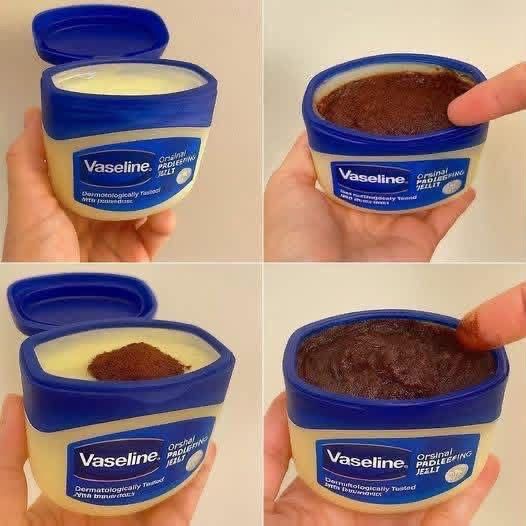
Vaseline Healing, commonly referring to petroleum jelly, is a simple skin-care preparation used to protect dry, rough, or mildly irritated skin. It works mainly by forming a protective barrier that helps reduce moisture loss and supports the skin’s natural healing process. It is especially useful for areas such as dry hands, lips, elbows, knees, and heels.
Origin
Petroleum jelly was developed in the 19th century after its protective properties were observed during the early petroleum industry. Robert Chesebrough patented a purified form of petroleum jelly in 1872 and later marketed it under the Vaseline name.
Cultural Significance
Petroleum jelly has become a familiar household skin-care product around the world. Generations of families have used it for everyday dryness, chapped lips, minor skin irritation, and protecting skin from friction. Its simplicity and versatility have made it a staple in many home medicine cabinets and bathroom cabinets.
Ingredients & Quantity
For basic petroleum-jelly skin care:
- Plain petroleum jelly (Vaseline): a small amount, approximately ¼–½ teaspoon per application
- Clean, dry skin: the area being treated should be gently cleaned first
There is no need to add other ingredients. Plain petroleum jelly is generally the simplest option.
Optional Additions
For safety, avoid routinely mixing petroleum jelly with homemade ingredients such as lemon juice, baking soda, essential oils, or spices, as these may irritate the skin.
For cosmetic use, you can instead apply petroleum jelly after a gentle, fragrance-free moisturizer to help seal in moisture.
Tips for Success
- Clean the affected area gently and pat it dry.
- Apply a thin layer rather than a thick coating.
- Use clean hands or a clean applicator.
- For very dry skin, applying it after bathing can help lock in moisture.
- Keep the container closed and avoid contaminating it.
- Plain petroleum jelly is preferable to heavily fragranced products when skin is sensitive.
- Petroleum jelly is not an antibiotic or disinfectant.
Instructions
- Gently wash the skin with mild soap and water when appropriate.
- Pat the area dry.
- Take a small amount of petroleum jelly.
- Spread a thin, even layer over the dry or mildly irritated area.
- Reapply as needed, particularly after washing or when the skin becomes dry.
For a minor superficial cut or scrape, first clean the wound and control any bleeding. A thin layer of petroleum jelly can then help keep the wound moist and protected, followed by a clean bandage.
Description
Petroleum jelly is thick, smooth, and nearly odorless. It creates an occlusive layer over the skin that helps prevent excessive water loss. Unlike many cosmetic creams, it contains no water and primarily functions as a protective barrier.
Nutritional Information
Not applicable. Petroleum jelly is intended for external use and is not a food. It should not be intentionally consumed.
Conclusion
Vaseline Healing is a simple and versatile approach to protecting dry skin and supporting the natural healing environment of minor superficial skin injuries. Its primary benefit comes from its ability to create a moisture-locking protective barrier rather than from medicinal ingredients.
Recommendation
Choose plain, fragrance-free petroleum jelly for basic skin protection. For deep wounds, serious burns, infected-looking wounds, animal bites, puncture wounds, or injuries that are not healing normally, seek appropriate medical care rather than relying on petroleum jelly alone.
Embracing Healthful Indulgence
Healthy skin care does not need to be complicated. Gentle cleansing, adequate moisturization, protection from excessive sun exposure, and avoiding unnecessary irritants can go a long way. Petroleum jelly can be a simple finishing step when your skin needs extra protection and moisture retention.