
Introduction
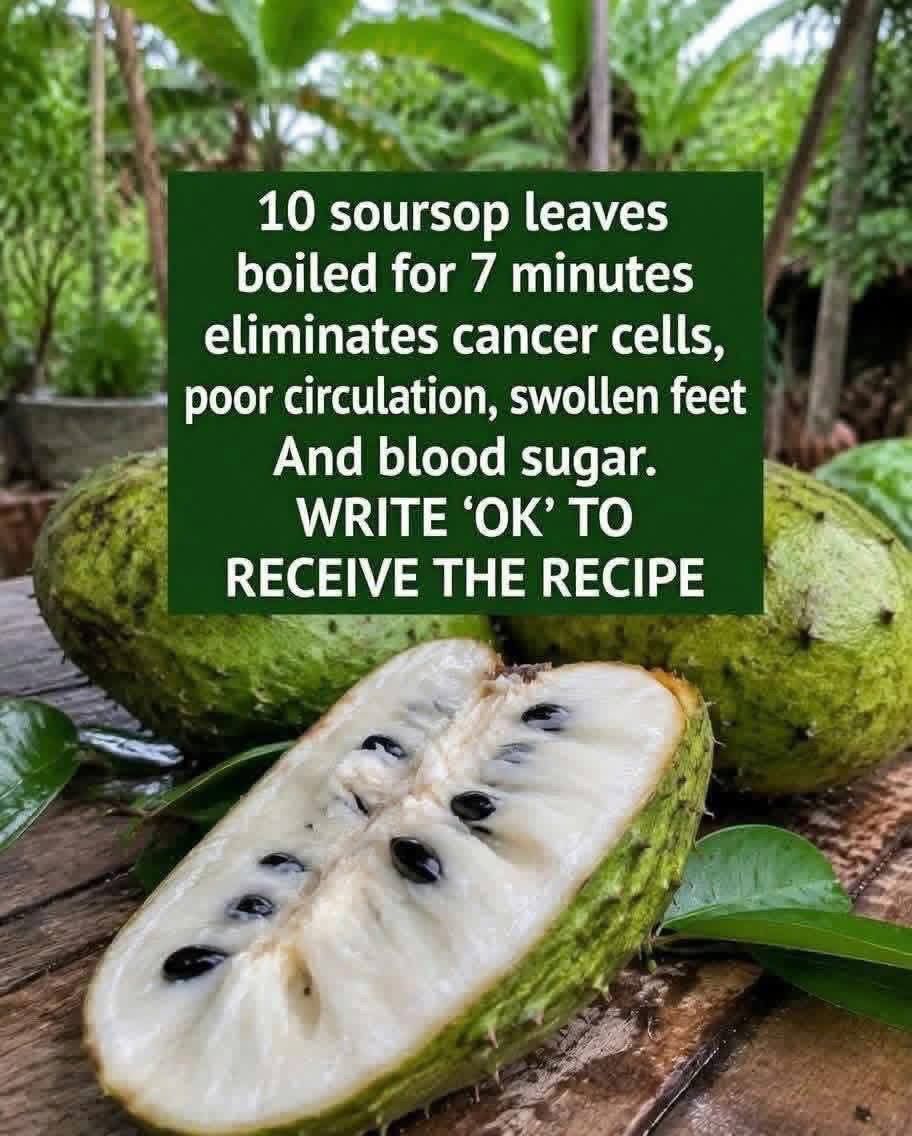
Soursop, also known as graviola or guanábana, is a tropical fruit prized for its creamy texture and distinctive sweet-tart flavor. Its soft white flesh tastes somewhat like a combination of strawberry, pineapple, and citrus, with a refreshing tropical aroma. It can be eaten fresh or used to make smoothies, juices, desserts, and frozen treats.
Origin
Soursop (Annona muricata) is native to tropical regions of the Americas and the Caribbean. It is now cultivated in many warm climates, including parts of Central and South America, the Caribbean, Southeast Asia, and Africa.
Cultural Significance
Soursop has an important place in tropical food traditions. In Latin American and Caribbean countries, it is commonly enjoyed as fresh fruit, juice, smoothies, ice cream, and other desserts. In several cultures, the fruit and leaves have also appeared in traditional herbal practices, although traditional uses should not be confused with medically proven treatments.
Ingredients & Quantity
Simple Soursop Drink
- 1 cup ripe soursop pulp, seeds removed
- 1½ cups cold water or milk
- 1–2 tablespoons honey or sugar, optional
- ½ teaspoon fresh lime or lemon juice, optional
- Ice, as desired
Optional Additions
- Coconut milk for a tropical flavor
- Greek yogurt for a creamier smoothie
- Banana for additional sweetness
- Pineapple for extra tropical flavor
- Vanilla extract
- Chia seeds
- A small amount of cinnamon
Tips for Success
- Choose a ripe soursop that yields slightly when gently pressed.
- Remove all seeds before blending or serving.
- Use chilled fruit for a naturally refreshing drink.
- Taste before adding sweetener because ripe soursop can already be quite sweet.
- Strain the drink if you prefer a smoother texture.
- Refrigerate leftover pulp promptly and use it while fresh.
Instructions
- Wash the soursop thoroughly.
- Cut the fruit open and scoop out the white flesh.
- Carefully remove the large black seeds.
- Place the seedless pulp into a blender.
- Add water or milk.
- Blend briefly until smooth and creamy. Avoid unnecessarily pulverizing any remaining seeds.
- Add honey, lime juice, or other optional ingredients.
- Blend again briefly.
- Serve immediately over ice.
Description
Soursop has soft, fibrous white flesh with a creamy consistency and a complex tropical flavor. Its natural sweetness is balanced by a mild tanginess, making it delicious both on its own and in chilled beverages.
Nutritional Information
Approximate nutrition for 1 cup of raw soursop pulp can vary with fruit maturity and preparation:
- Calories: about 150
- Carbohydrates: about 38 g
- Fiber: about 7 g
- Protein: about 2–3 g
- Fat: less than 1 g
- Vitamin C: a significant source
- Potassium: provides a useful amount
Adding milk, yogurt, sugar, or honey will increase the nutritional values.
Important Safety Note
Do not eat soursop seeds. Remove them completely before eating or blending. Soursop leaves, seeds, extracts, and concentrated supplements are sometimes promoted for medicinal purposes, but these claims are not established as treatments for cancer or other diseases. Concentrated soursop products may also raise safety concerns and can differ substantially from eating the fruit as food.
Conclusion
Soursop is a delicious tropical fruit with a creamy texture, refreshing flavor, fiber, vitamin C, and other nutrients. Its versatility makes it excellent for fresh eating, smoothies, juices, and desserts.
Recommendation
For the simplest preparation, enjoy fresh, seedless soursop chilled or blend it with cold water or milk for a creamy tropical drink. Keep the recipe lightly sweetened so the natural flavor of the fruit remains the star.
Embracing Healthful Indulgence
Soursop can be part of a balanced diet when enjoyed as a whole fruit. Rather than relying on soursop as a “miracle” remedy, appreciate it for what it naturally offers: delicious flavor, fiber, vitamins, and a satisfying tropical treat.