
Introduction
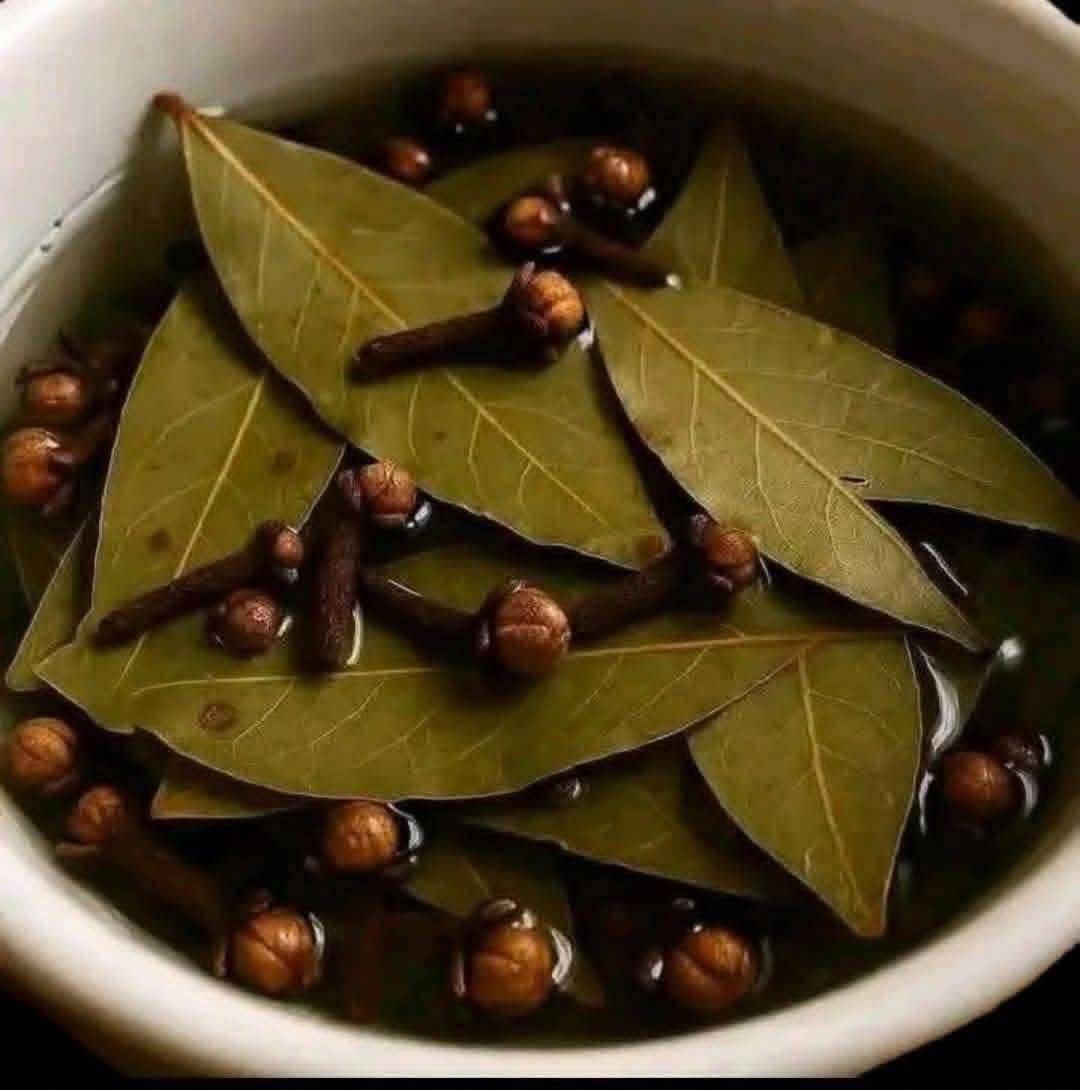
Bay leaves are aromatic leaves used to add a subtle, herbal depth to soups, stews, sauces, rice dishes, marinades, and slow-cooked meals. Their flavor is earthy, slightly floral, and gently peppery. Because the leaves are usually removed before serving, they work primarily as a seasoning rather than a main ingredient.
Origin
Bay leaves traditionally come from the bay laurel tree (Laurus nobilis), an evergreen plant native to the Mediterranean region. Bay laurel has been used for centuries in Mediterranean, Middle Eastern, European, and North African cooking.
Cultural Significance
Bay leaves have a long cultural history. In ancient Greece and Rome, bay laurel was associated with honor, victory, and achievement. Culinary traditions across the Mediterranean and beyond later incorporated the leaves into broths, stews, beans, meats, and sauces.
Ingredients & Quantity
Simple Bay Leaf Infusion for Cooking
- 2–3 dried bay leaves
- 4 cups water or broth
- 1 small onion, sliced
- 1 garlic clove, crushed
- ½ teaspoon black peppercorns, optional
- Salt, to taste
Optional Additions
- Fresh thyme
- Rosemary
- Parsley stems
- Cinnamon stick
- Cloves
- Carrots and celery
- Lemon peel
- A small amount of olive oil
Tips for Success
- Use culinary bay leaves intended for cooking.
- Dried bay leaves are convenient and commonly used, while fresh bay leaves tend to have a brighter, more herbal aroma.
- Add bay leaves early during simmering so their flavor has time to infuse.
- Two or three leaves are generally enough for a medium-sized pot.
- Always remove whole bay leaves before serving. They remain tough and can present a choking hazard if swallowed whole.
- Keep dried bay leaves in an airtight container away from heat and sunlight.
Instructions
- Place the water or broth in a saucepan or pot.
- Add the bay leaves, onion, garlic, and optional peppercorns.
- Bring the mixture to a gentle simmer.
- Reduce the heat and simmer for 15–20 minutes.
- Taste and adjust the seasoning.
- Remove and discard the bay leaves and other aromatics before serving or using the infused liquid in a recipe.
Description
Bay leaves don’t usually provide an immediately strong flavor. Instead, they gradually release a warm, complex aroma that can make soups, sauces, beans, meats, vegetables, and rice dishes taste more rounded and savory.
Nutritional Information
Bay leaves are normally used in very small quantities, so they contribute minimal calories and macronutrients to a finished dish. They contain various naturally occurring aromatic plant compounds and small amounts of micronutrients, but they should primarily be viewed as a flavoring herb rather than a significant nutritional source.
Conclusion
Bay leaves are a simple but powerful kitchen staple. A small number of leaves can add depth and fragrance to slow-cooked dishes without requiring additional sugar or heavy sauces.
Recommendation
Keep a jar of dried bay leaves in your spice cabinet and add 1–3 leaves to soups, stews, beans, tomato sauces, rice dishes, and braised meats. Remove them before serving for the best texture and safety.
Embracing Healthful Indulgence
Bay leaves demonstrate how a small amount of an aromatic herb can make wholesome foods more flavorful. Using them in vegetable-rich soups, bean dishes, whole grains, and lean-protein meals can help create satisfying food through herbs and spices rather than relying heavily on salt, sugar, or rich sauces.