
Introduction
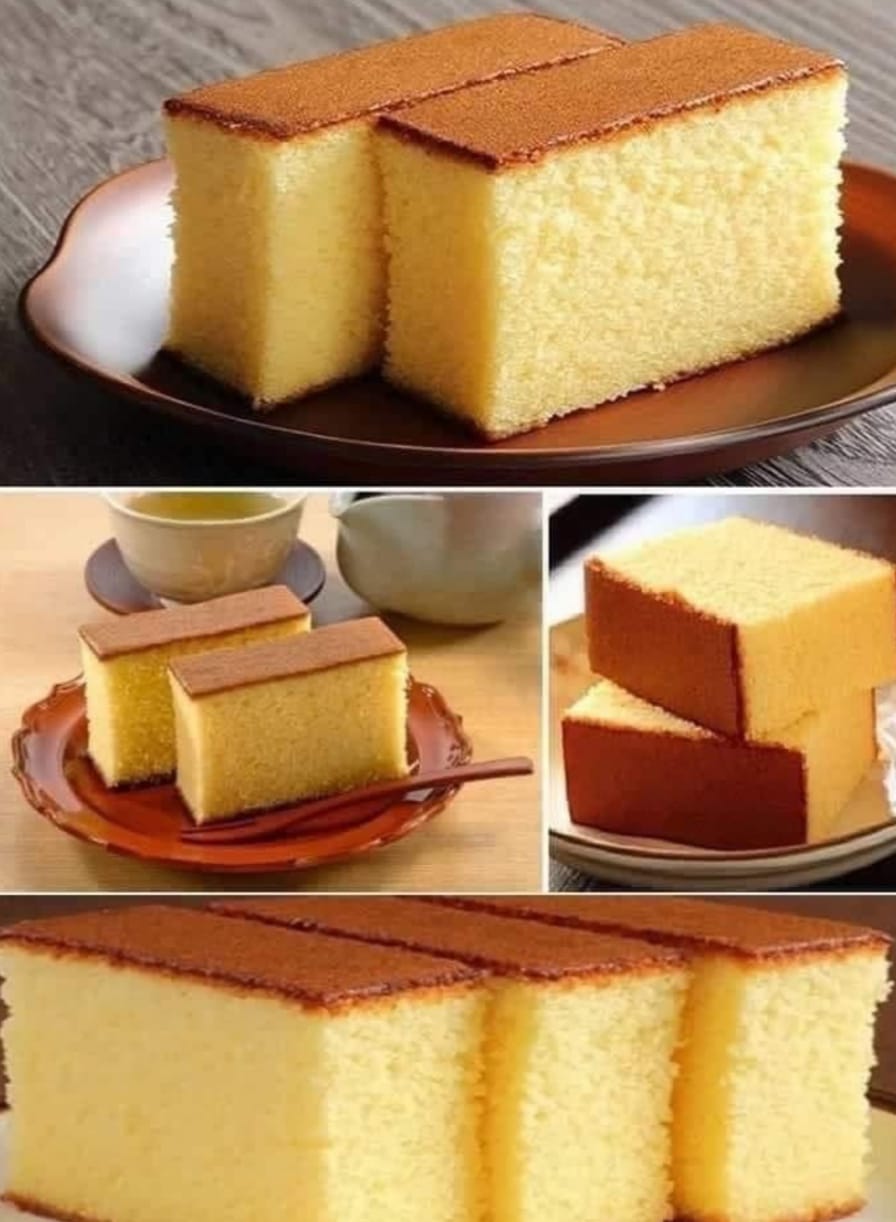
Classic Japanese Castella Cake is a delicate, airy sponge cake renowned for its fine, velvety crumb, subtle honey sweetness, and beautifully caramelized golden top. Light yet satisfying, this elegant cake has been cherished in Japan for centuries and is often enjoyed with tea or coffee. Its simple ingredients and refined texture make it a timeless dessert suitable for celebrations, gifts, or everyday enjoyment.
Origin
Castella originated from the Portuguese sponge cake Pão de Ló, introduced to Japan by Portuguese merchants and missionaries during the 16th century through the port city of Nagasaki. Japanese bakers gradually adapted the recipe by incorporating bread flour, honey, and a specialized baking method that produced a moist, smooth-textured cake. Over time, Castella became one of Japan’s most iconic traditional confections.
Cultural Significance
Classic Japanese Castella Cake holds a treasured place in Japanese culinary tradition.
- A famous specialty of Nagasaki.
- Frequently given as a thoughtful gift during holidays and celebrations.
- Popular for tea ceremonies and afternoon tea.
- Appreciated for its refined simplicity and craftsmanship.
- Symbolizes hospitality, elegance, and attention to detail in Japanese baking.
Ingredients
| Ingredient | Quantity |
| Large eggs (room temperature) | 6 |
| Granulated sugar | 1 cup (200 g) |
| Bread flour (sifted) | 1 cup (130 g) |
| Honey | 3 tablespoons (60 g) |
| Warm milk | 2 tablespoons (30 ml) |
| Vanilla extract (optional) | 1 teaspoon |
Optional Additions
- 1 teaspoon vanilla bean paste.
- ½ teaspoon almond extract.
- Matcha powder for a green tea variation.
- Cocoa powder for a chocolate version.
- Citrus zest (lemon or orange).
- A light dusting of powdered sugar.
- Fresh berries for serving.
- Whipped cream on the side.
Tips for Success
- Use room-temperature eggs for maximum volume.
- Sift the flour several times for a finer texture.
- Beat the eggs and sugar until thick, pale, and tripled in volume.
- Fold the flour gently to preserve the air bubbles.
- Mix honey with warm milk before adding.
- Avoid overmixing once the flour is incorporated.
- Tap the pan lightly before baking to remove large air bubbles.
- Bake at a moderate temperature for an even rise.
- Wrap the cooled cake tightly and let it rest overnight for the best texture and flavor.
Instructions
- Preheat the oven to 320°F (160°C).
- Line an 8 × 8-inch (20 × 20 cm) square baking pan with parchment paper.
- Combine the honey and warm milk until smooth.
- Beat the eggs and sugar for 8–10 minutes until thick, pale, and ribbon-like.
- Stir in the honey mixture and vanilla, if using.
- Gently fold in the sifted bread flour in batches until no dry streaks remain.
- Pour the batter into the prepared pan and smooth the surface.
- Tap the pan gently to release any large air bubbles.
- Bake for 45–55 minutes, or until the top is deep golden brown and a skewer inserted into the center comes out clean.
- Remove from the oven and cool completely.
- Wrap the cake tightly in plastic wrap and allow it to rest overnight before slicing for the signature moist texture.
- Slice with a sharp knife and serve.
Description
Classic Japanese Castella Cake features a beautifully smooth golden-brown top and an exceptionally fine, moist crumb. Light yet rich, it offers delicate notes of honey and eggs with a soft, melt-in-your-mouth texture. Unlike many sponge cakes, Castella is intentionally dense enough to feel luxurious while remaining wonderfully airy.
Nutritional Information
Approximate per serving (1 slice, based on 12 servings):
| Nutrient | Amount |
| Calories | 180 kcal |
| Carbohydrates | 31 g |
| Protein | 5 g |
| Fat | 3 g |
| Saturated Fat | 1 g |
| Cholesterol | 95 mg |
| Sodium | 45 mg |
| Sugar | 21 g |
| Fiber | 1 g |
Nutritional values are approximate and may vary depending on the ingredients used.
Conclusion
Classic Japanese Castella Cake is a beautiful example of how simple ingredients can create an elegant and memorable dessert. Its soft, moist texture, subtle honey flavor, and rich history have made it a beloved treat for generations. Whether served with tea, shared as a gift, or enjoyed as a light dessert, Castella remains a timeless favorite.
Recommendation
For the best flavor and texture, allow the cake to rest overnight before serving. Enjoy it with Japanese green tea, black tea, coffee, or milk. Fresh fruit and lightly sweetened whipped cream make excellent accompaniments while preserving the cake’s delicate character.
Embracing Healthful Indulgence
Classic Japanese Castella Cake demonstrates that indulgence can be both refined and balanced. Made with simple pantry ingredients and relatively little fat compared to many butter cakes, it delivers satisfying flavor in a light, airy slice. Enjoying it in moderation alongside fresh fruit and unsweetened tea creates a delightful dessert that celebrates tradition, craftsmanship, and mindful enjoyment.