
Introduction
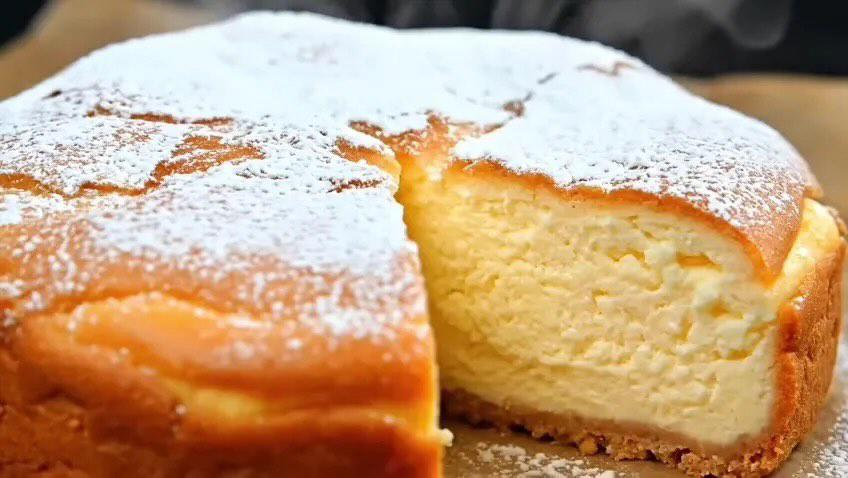
Japanese Cotton Cheesecake is a light, airy, and delicately sweet dessert that combines the richness of traditional cheesecake with the soft, fluffy texture of a sponge cake. Unlike dense Western-style cheesecakes, this Japanese favorite is known for its cloud-like consistency and gentle jiggle. Baked using a water bath to ensure even cooking, it offers a melt-in-your-mouth experience that has captivated dessert lovers around the world.
Origin
Japanese Cotton Cheesecake originated in Japan during the late 20th century and was inspired by European cheesecake traditions, particularly German cheesecake. Japanese bakers adapted the classic recipe by incorporating whipped egg whites into the batter, creating a soufflé-like texture that aligned with Japan’s preference for lighter, less sweet desserts. Over the years, the cake gained international recognition through specialty bakeries and social media, becoming one of Japan’s most iconic confections.
Cultural Significance
Japanese Cotton Cheesecake reflects Japan’s culinary philosophy of balance, simplicity, and refined craftsmanship. Its soft texture and subtle sweetness make it a popular dessert for celebrations, afternoon tea, birthdays, and seasonal gatherings. The cake is frequently found in Japanese bakeries, cafés, and gift shops, where beautifully packaged cheesecakes are commonly given as thoughtful presents. Its signature “jiggle” has also become a symbol of quality and has contributed to its worldwide popularity.
Ingredients
| Ingredient | Quantity |
|---|---|
| Cream cheese, softened | 250 g (8.8 oz) |
| Unsalted butter | 50 g (¼ cup) |
| Whole milk | 100 ml (⅓ cup + 1 tbsp) |
| Cake flour | 60 g (½ cup) |
| Cornstarch | 20 g (2½ tbsp) |
| Large eggs, separated | 6 |
| Granulated sugar | 140 g (¾ cup) |
| Lemon juice | 1 tablespoon |
| Vanilla extract | 1 teaspoon |
| Cream of tartar (optional) | ¼ teaspoon |
| Powdered sugar (for dusting) | As needed |
Optional Additions
Enhance the cheesecake with any of the following:
- Lemon zest
- Orange zest
- Matcha powder
- Fresh strawberries
- Blueberries
- Raspberries
- Mixed berry compote
- Whipped cream
- Chocolate ganache
- Salted caramel sauce
- Fruit preserves
- Honey drizzle
- Toasted almond slices
- Powdered sugar
- Fresh mint leaves
Tips for Success
- Use room-temperature ingredients for a smooth batter.
- Beat the egg whites to medium-stiff peaks for maximum volume.
- Fold the meringue gently to preserve the air bubbles.
- Sift the flour and cornstarch to avoid lumps.
- Bake the cheesecake in a water bath to prevent cracking.
- Avoid opening the oven door during baking.
- Allow the cake to cool gradually inside the oven with the door slightly open.
- Use cake flour for the softest, most delicate texture.
- Line the pan carefully to ensure easy removal.
- Refrigerate for several hours before slicing for cleaner cuts.
Instructions
- Preheat the oven to 320°F (160°C).
- Line the bottom and sides of an 8-inch (20 cm) round cake pan with parchment paper.
- Wrap the outside of the pan with aluminum foil to prevent water from entering.
- Melt the cream cheese, butter, and milk together over a double boiler until smooth.
- Remove from heat and allow the mixture to cool slightly.
- Whisk in the egg yolks one at a time.
- Add the vanilla extract and lemon juice.
- Sift in the cake flour and cornstarch, then whisk until smooth.
- In a separate bowl, beat the egg whites until foamy.
- Add the cream of tartar (if using).
- Gradually add the sugar while beating until medium-stiff peaks form.
- Fold one-third of the meringue into the batter to lighten it.
- Gently fold in the remaining meringue until fully incorporated.
- Pour the batter into the prepared pan and gently tap it to release large air bubbles.
- Place the cake pan inside a larger baking pan and add hot water halfway up the sides.
- Bake for 25 minutes at 320°F (160°C).
- Reduce the temperature to 285°F (140°C) and bake for an additional 50–60 minutes.
- Turn off the oven and leave the cheesecake inside with the door slightly open for 15–20 minutes.
- Remove from the oven and cool completely.
- Refrigerate for at least 4 hours, preferably overnight.
- Dust with powdered sugar and serve.
Description
Japanese Cotton Cheesecake is incredibly soft, moist, and airy with a delicate balance of creamy richness and subtle sweetness. Its signature fluffy texture comes from whipped egg whites that create tiny air pockets throughout the cake, while the cream cheese provides a smooth, velvety flavor. The result is a dessert that feels both indulgent and remarkably light, making it suitable for any occasion.
Nutritional Information
Approximate values per slice (1 of 8 servings):
| Nutrient | Amount |
|---|---|
| Calories | 240 kcal |
| Carbohydrates | 20 g |
| Protein | 7 g |
| Total Fat | 15 g |
| Saturated Fat | 9 g |
| Cholesterol | 130 mg |
| Sodium | 170 mg |
| Fiber | 0.5 g |
| Sugar | 16 g |
| Calcium | 10% DV |
| Vitamin A | 12% DV |
Nutritional values are approximate and may vary depending on the ingredients and portion size.
Conclusion
Japanese Cotton Cheesecake is a beautiful blend of elegance and comfort, offering a lighter alternative to traditional cheesecakes without sacrificing flavor. Its pillowy texture, gentle sweetness, and delicate presentation make it an impressive dessert for family gatherings, celebrations, afternoon tea, or simply enjoying with a cup of coffee.
Recommendation
For the finest texture, use fresh, high-quality cream cheese and eggs, and avoid
overmixing the batter after adding the meringue. Bake the cheesecake in a properly heated water bath and allow it to cool gradually to minimize shrinking or cracking. Serve chilled with fresh berries, fruit compote, or a light dusting of powdered sugar for a classic presentation.
Embracing Healthful Indulgence
Japanese Cotton Cheesecake demonstrates that dessert can be both satisfying and refined. Its airy structure naturally contains less flour and often fewer calories per serving than many dense cheesecakes, while still delivering a rich, creamy flavor. Enjoying moderate portions alongside fresh fruit or unsweetened tea creates a balanced dessert experience, allowing you to appreciate indulgence while embracing mindful eating.