
Introduction
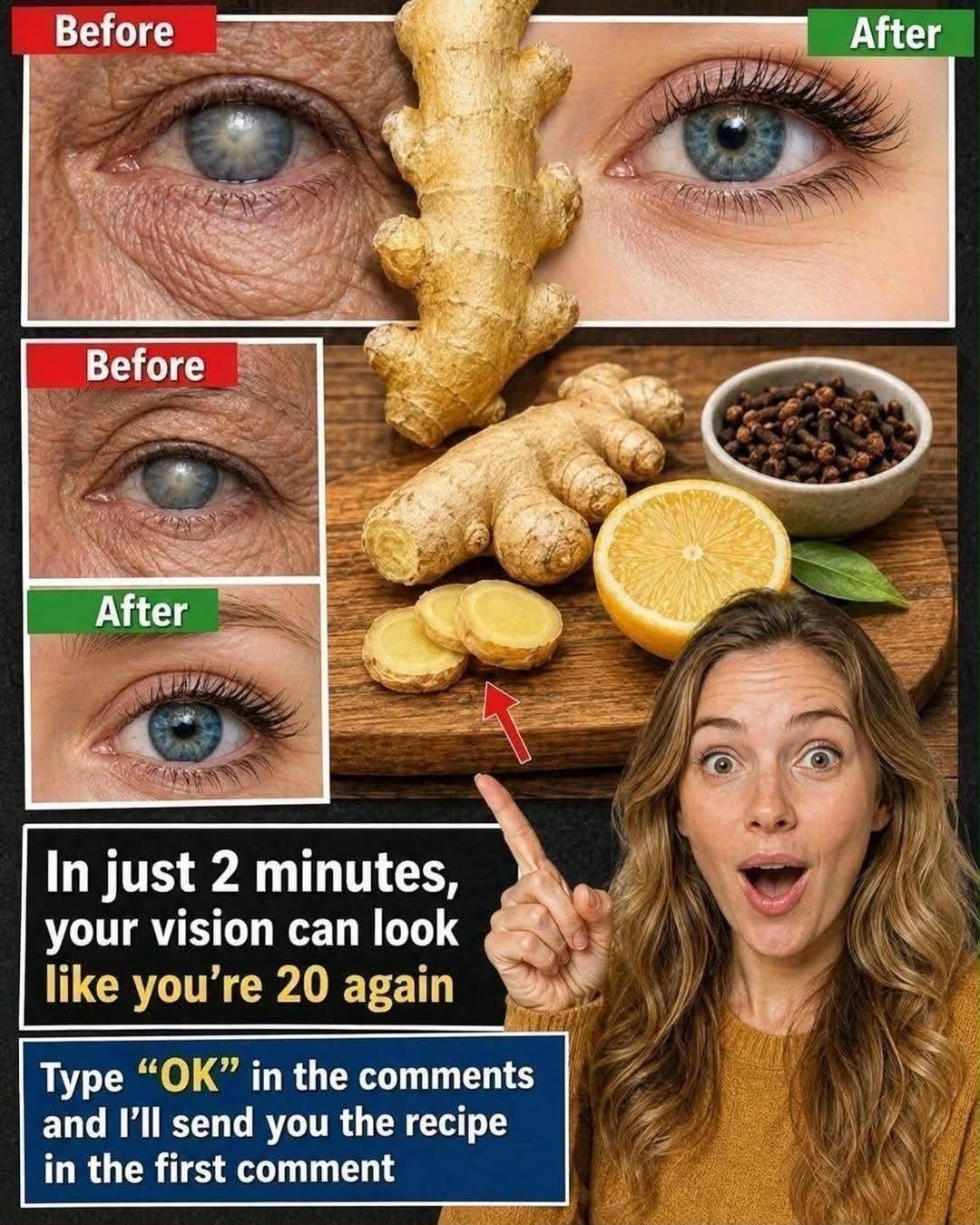
A “Natural Vision Remedy” clickbait ad graphic is a promotional visual designed to attract attention with claims about improving eyesight naturally. Because vision health is a medical topic, the graphic should avoid promising that a food, drink, herb, or home remedy can cure vision problems or restore eyesight.
Origin
The idea of using natural foods and traditional remedies to support eye health comes from longstanding interest in nutrition and herbal practices. Modern eye health, however, depends on evidence-based nutrition, regular eye examinations, and appropriate treatment when problems occur.
Cultural Significance
Foods associated with eye health—such as carrots, leafy greens, citrus fruits, and fish—have become popular in wellness culture because they provide nutrients important for normal body function. This popularity has also contributed to misleading “miracle vision cure” advertisements.
Ingredients Quantity
For a responsible graphic, use visual ingredients rather than claiming they are a cure:
- Carrots — 1–2
- Spinach or other leafy greens — 1 cup
- Orange or another citrus fruit — 1
- Eggs — 1–2
- Nuts or seeds — a small handful
- Water — as needed
These foods can contribute useful nutrients, but there is no guaranteed natural remedy that restores eyesight for everyone.
Optional Additions
- Blueberries
- Sweet peppers
- Broccoli
- Avocado
- Fatty fish such as salmon
- A short disclaimer encouraging professional eye care
Tips for Success
Avoid sensational phrases such as “Cure blindness overnight,” “Throw away your glasses,” or “Doctors hate this secret.” Instead, use accurate wording such as “Nutrients that support healthy eyes” or “Simple foods for a balanced eye-health diet.”
Instructions
- Choose a clean, high-quality food or wellness image.
- Add a short, attention-grabbing but truthful headline.
- Feature colorful nutrient-rich foods.
- Avoid before-and-after eyesight claims.
- Do not imply that the graphic replaces medical treatment.
- Add a small reminder to consult an eye-care professional for vision changes.
- Keep the design simple and readable on mobile devices.
Description
The graphic can show colorful vegetables, fruits, eggs, and leafy greens surrounding a prominent headline such as “Support Your Eye Health Naturally.” A soft, bright visual style can create an appealing wellness aesthetic without making unsupported medical promises.
Nutritional Information
The featured foods can provide nutrients such as vitamin A precursors, vitamin C, vitamin E, lutein, zeaxanthin, zinc, and omega-3 fatty acids. Their nutritional value varies by serving size and preparation. These nutrients support normal eye and overall health, but nutrition should not be presented as a guaranteed treatment for an eye disease.
Conclusion
A compelling vision-health graphic can attract attention while remaining responsible. The strongest approach is to focus on healthy nutrition and eye-care awareness rather than promoting an unproven “miracle” remedy.
Recommendation
Use “Natural Ways to Support Healthy Vision” instead of “Natural Vision Remedy” if the goal is an accurate, trustworthy advertisement. Encourage viewers experiencing blurred vision, pain, flashes, sudden floaters, or other changes to seek professional eye care.
Embracing Healthful Indulgence
Enjoying colorful, nutrient-rich foods can be part of a balanced lifestyle while still allowing room for delicious meals. The key is to celebrate wholesome nutrition without turning individual foods into miracle cures or replacing appropriate medical care with unproven remedies.