
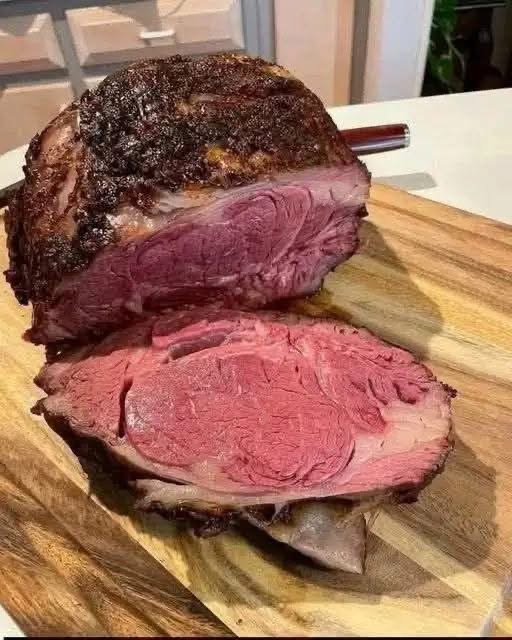
Perfect Prime Rib Roast Recipe
Introduction
This Prime Rib Roast is a classic centerpiece for Christmas dinner, Thanksgiving, Sunday roast dinners, and other special occasions. It features a deeply browned, flavorful crust with a juicy, tender center.
The secret to an impressive prime rib is simple: season the beef generously, cook it gently, and finish it with high heat to create a beautiful crust. This reverse-sear prime rib method also makes it easier to control the internal temperature.
Whether you’re preparing a holiday dinner for family or looking for a restaurant-quality beef recipe at home, this prime rib delivers rich flavor and an impressive presentation.
Recipe Overview
| Category | Details |
| Recipe | Prime Rib Roast |
| Cuisine | American |
| Prep Time | 20 minutes |
| Dry-Brining Time | 8–24 hours |
| Cook Time | About 2½–3½ hours |
| Resting Time | 30–45 minutes |
| Total Time | About 12–26 hours including dry brining |
| Servings | 8–10 |
| Main Ingredient | Bone-in beef rib roast |
| Cooking Method | Low-temperature roasting + reverse sear |
| Difficulty | Easy to moderate |
| Best Doneness | Medium-rare |
| Oven Temperature | 250°F / 120°C, then 500°F / 260°C |
| Target Internal Temperature | 125–130°F / 52–54°C before final sear |
Why You’ll Love This Prime Rib
This prime rib recipe produces an incredibly flavorful crust while keeping the center tender and juicy. The low-temperature cooking method allows the roast to heat gradually, reducing the risk of overcooking the outside before the center reaches the desired temperature.
The garlic and herb seasoning adds savory depth without overpowering the natural flavor of the beef. A final high-temperature sear creates the dark, caramelized exterior seen in classic steakhouse-style prime rib.
It is also an excellent holiday dinner recipe because most of the cooking time is hands-off. Once the roast is in the oven, you can concentrate on preparing your side dishes, gravy, or dinner table.
Ingredients
For the Prime Rib
| Ingredient | Amount |
| Bone-in prime rib roast | 5–6 lb / 2.3–2.7 kg |
| Kosher salt | 2½–3 tbsp |
| Freshly ground black pepper | 1½ tbsp |
| Garlic, finely minced | 6 cloves |
| Fresh rosemary, chopped | 1 tbsp |
| Fresh thyme leaves | 1 tbsp |
| Olive oil | 2 tbsp |
| Unsalted butter, softened | 2 tbsp |
| Onion powder | 1 tsp |
Optional Au Jus
| Ingredient | Amount |
| Beef stock | 2 cups |
| Beef drippings | ¼–½ cup |
| Worcestershire sauce | 1 tbsp |
| Garlic | 1 clove |
| Fresh thyme | 2 sprigs |
| Black pepper | ½ tsp |
Step-by-Step Instructions
1. Prepare the Prime Rib
Remove the prime rib from its packaging and pat the entire surface completely dry with paper towels.
If your roast has bones attached, you can ask your butcher to remove the bones and tie them back onto the roast. This makes carving easier while still providing the flavor benefits of bone-in roasting.
2. Dry-Brine the Beef
Place the roast on a rack over a baking sheet.
Season every surface generously with kosher salt. Place the uncovered roast in the refrigerator for at least 8 hours, preferably overnight and up to 24 hours.
This dry-brining process seasons the meat more deeply and helps create a drier exterior, which is ideal for developing a beautiful crust.
3. Prepare the Herb-Garlic Rub
Combine the minced garlic, black pepper, rosemary, thyme, olive oil, softened butter, and onion powder in a small bowl.
Remove the roast from the refrigerator about 1–2 hours before cooking.
Pat the surface dry again, then spread the herb-garlic mixture evenly over the roast.
4. Start the Low-Temperature Roast
Preheat your oven to 250°F (120°C).
Place the prime rib fat-side up on a roasting rack.
Insert a reliable meat thermometer into the thickest part of the roast, avoiding direct contact with the bones.
Roast until the internal temperature reaches approximately 125–130°F (52–54°C) for a medium-rare finish after the final sear.
For a 5–6 lb roast, this commonly takes around 2½–3½ hours, but the thermometer is much more important than the clock.
5. Rest the Roast
Remove the prime rib from the oven and place it on a cutting board.
Loosely cover it with foil and allow it to rest for approximately 30–45 minutes.
This resting period allows the juices to redistribute throughout the roast and gives you time to prepare the final sear.
6. Prepare the High-Heat Sear
Increase the oven temperature to 500°F (260°C).
Once the oven is fully preheated, return the rested roast to the oven.
Roast for approximately 6–10 minutes, watching carefully, until the exterior becomes deeply browned and crisp.
7. Carve the Prime Rib
Remove the roast from the oven and let it rest for another 10–15 minutes.
If the bones are still attached, carefully cut along the bones to separate them from the roast.
Slice the prime rib across the grain into thick, even portions.
Serve immediately with au jus, horseradish sauce, mashed potatoes, or roasted vegetables.
Best Tips
Use a meat thermometer rather than relying on cooking time. Prime rib roasts vary considerably in thickness, shape, and weight, so internal temperature is the most reliable indicator of doneness.
Dry-brining overnight is one of the easiest ways to improve the flavor of a large beef roast. It gives the salt time to penetrate the meat while also drying the exterior for better browning.
Avoid repeatedly opening the oven door during roasting. Every time the door opens, heat escapes and the cooking process becomes less predictable.
Let the roast rest before carving. Cutting immediately into a large roast can cause more of the flavorful juices to escape onto the cutting board instead of remaining in the meat.
Best Ingredient Options
For the best results, choose a well-marbled bone-in rib roast. Marbling contributes flavor and tenderness as the fat gradually renders during cooking.
Prime-grade beef is an excellent choice when available, but a well-marbled choice-grade rib roast can also produce an excellent result.
Fresh rosemary and thyme provide a brighter flavor than dried herbs, while freshly cracked black pepper gives the crust more texture and aroma.
Kosher salt is preferable because its larger crystals make it easier to distribute evenly over a large roast.
Recipe Variations
Garlic Butter Prime Rib
Increase the garlic to eight cloves and add an extra tablespoon of softened butter to the herb mixture for a richer garlic-butter crust.
Rosemary Prime Rib
Use 2 tablespoons of finely chopped fresh rosemary and reduce the thyme for a more pronounced rosemary flavor.
Pepper-Crusted Prime Rib
Increase the freshly cracked black pepper to 2–3 tablespoons for a bold steakhouse-style pepper crust.
Herb-Crusted Prime Rib
Combine rosemary, thyme, parsley, garlic, black pepper, and olive oil to create a fragrant herb crust.
What to Serve With Prime Rib
Classic prime rib side dishes include creamy mashed potatoes, roasted potatoes, Yorkshire pudding, creamed spinach, glazed carrots, and roasted Brussels sprouts.
For a complete holiday dinner, serve the roast with homemade au jus and creamy horseradish sauce.
A crisp green salad can also provide a lighter contrast to the richness of the beef.
Make-Ahead Instructions
The roast can be dry-brined up to 24 hours before cooking.
The herb-garlic mixture can also be prepared a day in advance and stored covered in the refrigerator.
For the best texture, cook the prime rib on the day you plan to serve it rather than fully cooking it several days ahead.
Storage
Allow leftover prime rib to cool and place it in an airtight container.
Refrigerate within 2 hours of cooking.
Properly refrigerated leftovers can generally be kept for 3–4 days.
Reheating
The best way to reheat prime rib is slowly in a low-temperature oven.
Place slices in a baking dish with a small amount of beef stock or au jus. Cover tightly with foil and warm at approximately 250°F (120°C) until heated through.
Avoid using very high heat for reheating because it can quickly turn the tender beef dry and overcooked.
Freezing
Prime rib can be frozen either whole or sliced.
Wrap the beef tightly in plastic wrap and place it inside a freezer-safe airtight container or freezer bag.
For the best quality, use frozen cooked prime rib within approximately 2–3 months.
Thaw it overnight in the refrigerator before reheating.
Common Mistakes to Avoid
Cooking Only by Time
A cooking-time chart is useful as a starting point, but every roast is different. Always use an instant-read or leave-in meat thermometer to monitor the internal temperature.
Skipping the Dry Brine
A quick seasoning immediately before cooking can work, but dry-brining gives a large roast considerably more time to develop flavor.
Searing Too Early
If you sear the roast at the beginning and then cook it for several hours, the crust can become excessively dark before the center is ready. The reverse-sear method solves this problem by creating the crust at the end.
Cutting Too Soon
A large roast needs time to rest. Give it at least 30 minutes after the initial roast before performing the final sear and carving.
Using Too Much Liquid
Prime rib does not need to be submerged in broth or liquid while roasting. Excess moisture around the surface can interfere with browning.
Nutrition Estimate
Nutrition varies according to the exact cut, marbling, serving size, and amount of fat consumed.
| Nutrient | Estimated Amount Per Serving |
| Calories | 500–650 kcal |
| Protein | 45–55 g |
| Total Fat | 35–45 g |
| Saturated Fat | 14–18 g |
| Carbohydrates | 1–3 g |
| Fiber | 0–1 g |
| Sugar | 0–1 g |
| Sodium | 500–800 mg |
| Cholesterol | 150–190 mg |
Frequently Asked Questions
What temperature should prime rib be cooked to?
For a medium-rare result, remove the roast from the low-temperature oven around 125–130°F (52–54°C) and finish with the high-temperature sear.
For food-safety purposes, USDA guidance recommends whole cuts of beef reach 145°F (63°C) followed by at least a 3-minute rest. A thermometer is the best way to monitor the roast.
How long does prime rib take to cook?
A 5–6 lb prime rib commonly requires approximately 2½–3½ hours at 250°F, followed by resting and a short high-temperature sear.
The actual cooking time can vary, so use internal temperature rather than time alone.
Should prime rib be covered while cooking?
No. Roast the prime rib uncovered so the exterior can dry and develop a flavorful crust.
Should prime rib be cooked fat-side up?
Yes. Positioning the roast fat-side up allows the fat cap to gradually render while the beef cooks.
What is the difference between prime rib and ribeye?
Prime rib and ribeye come from the same general section of the beef rib primal. Prime rib usually refers to a roast, while ribeye is typically cut into individual steaks.
Can I cook prime rib without bones?
Absolutely. A boneless rib roast works very well and is easier to carve. Because boneless roasts can cook somewhat differently, rely on the internal temperature rather than a fixed cooking time.
How many people does a prime rib roast serve?
A 5–6 lb bone-in roast generally serves approximately 8–10 people, depending on portion sizes and the number of side dishes.
Final Thoughts
This prime rib roast recipe combines a simple garlic-herb seasoning with the reverse-sear cooking method to create an impressive centerpiece for a special dinner.
The low-and-slow roasting process helps develop an evenly cooked interior, while the final blast of high heat produces the deeply browned crust that makes prime rib so appealing.
For the most consistent results, remember three things: dry-brine the beef, use a meat thermometer, and allow the roast to rest before carving.
The result is a restaurant-style prime rib with a flavorful crust, tender slices, and the rich beef flavor that makes this classic roast perfect for a memorable holiday dinner.
-
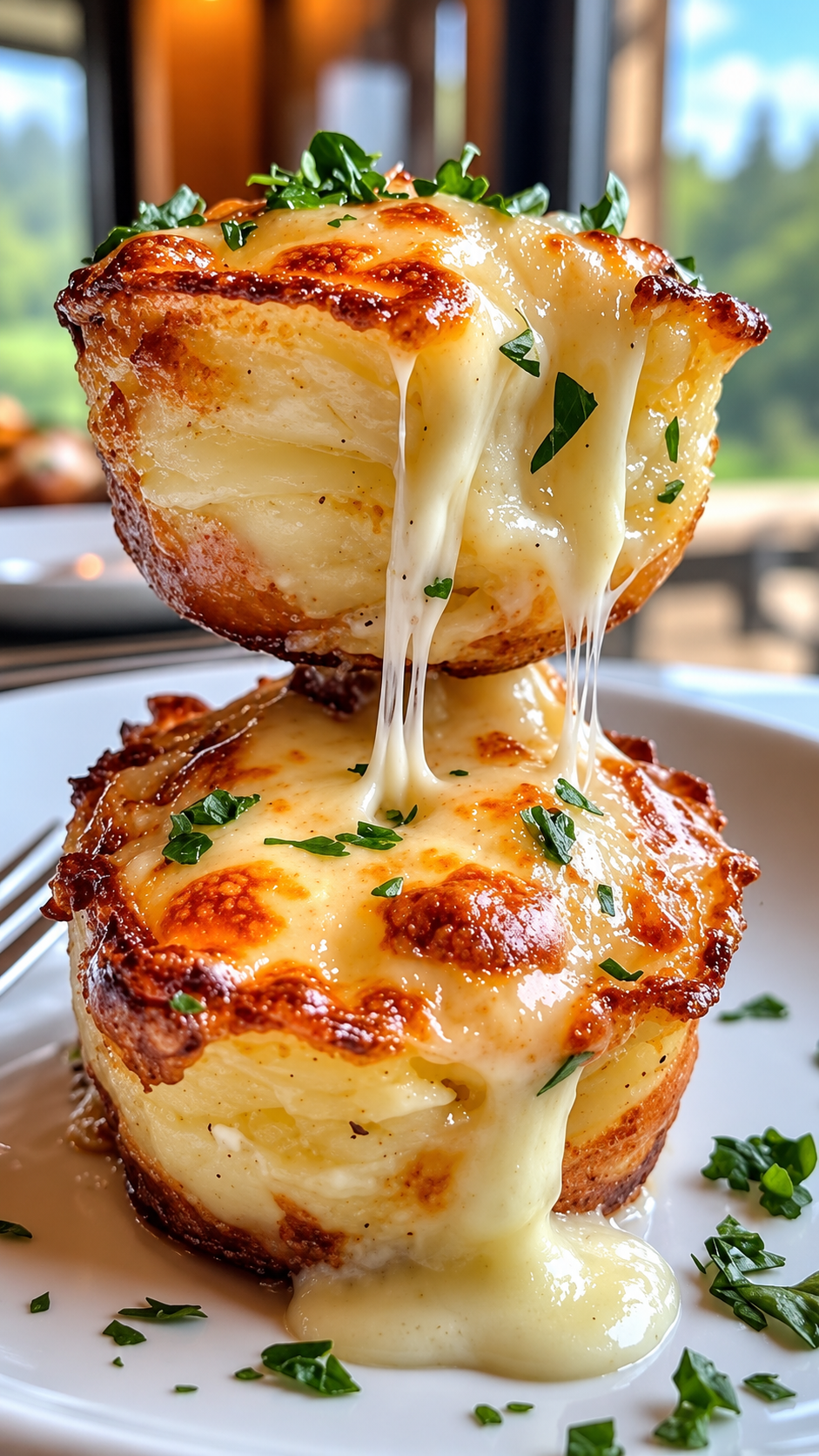
Cheesy Mashed Potato Puffs
Ingredients Mashed potatoes: Use 3 cups thick, cooled mashed potatoes. Leftovers work beautifully, provided they are not too loose or creamy. Eggs: You will need 2 large eggs, lightly beaten. These help bind the mixture and give the puffs structure as they bake. Cheddar cheese: Measure 1 cup shredded sharp cheddar cheese. Its rich flavor…
-
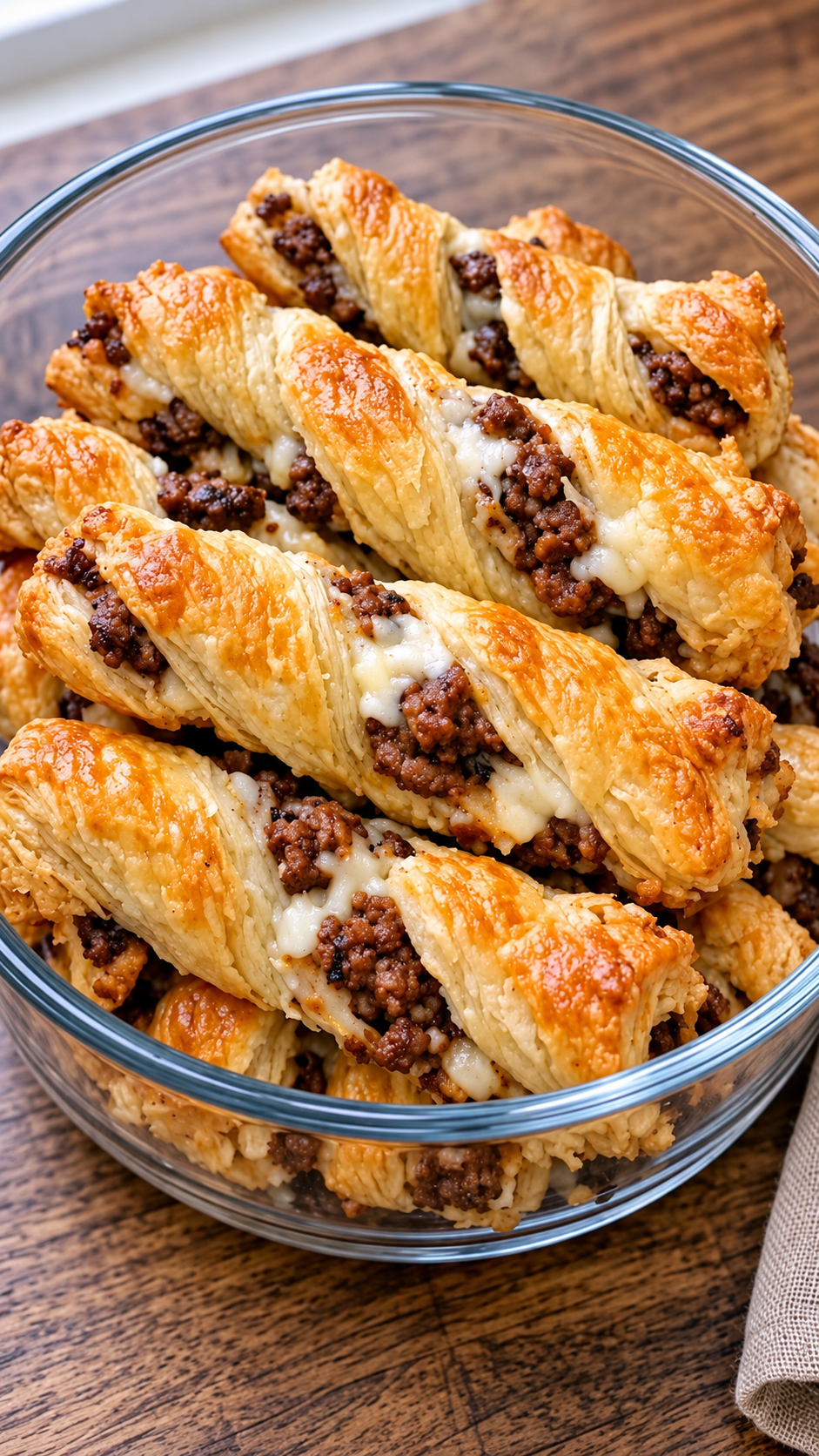
Easy Cheesy Ground Beef Puff Pastry Twists
Ingredients Puff pastry: Use 2 sheets of frozen puff pastry, thawed according to the package directions. Keep them refrigerated until you are ready to assemble the twists. Ground beef: You will need 1 pound of ground beef. A lean blend works well because it produces less grease inside the pastry. Olive oil and onion: Prepare…
-
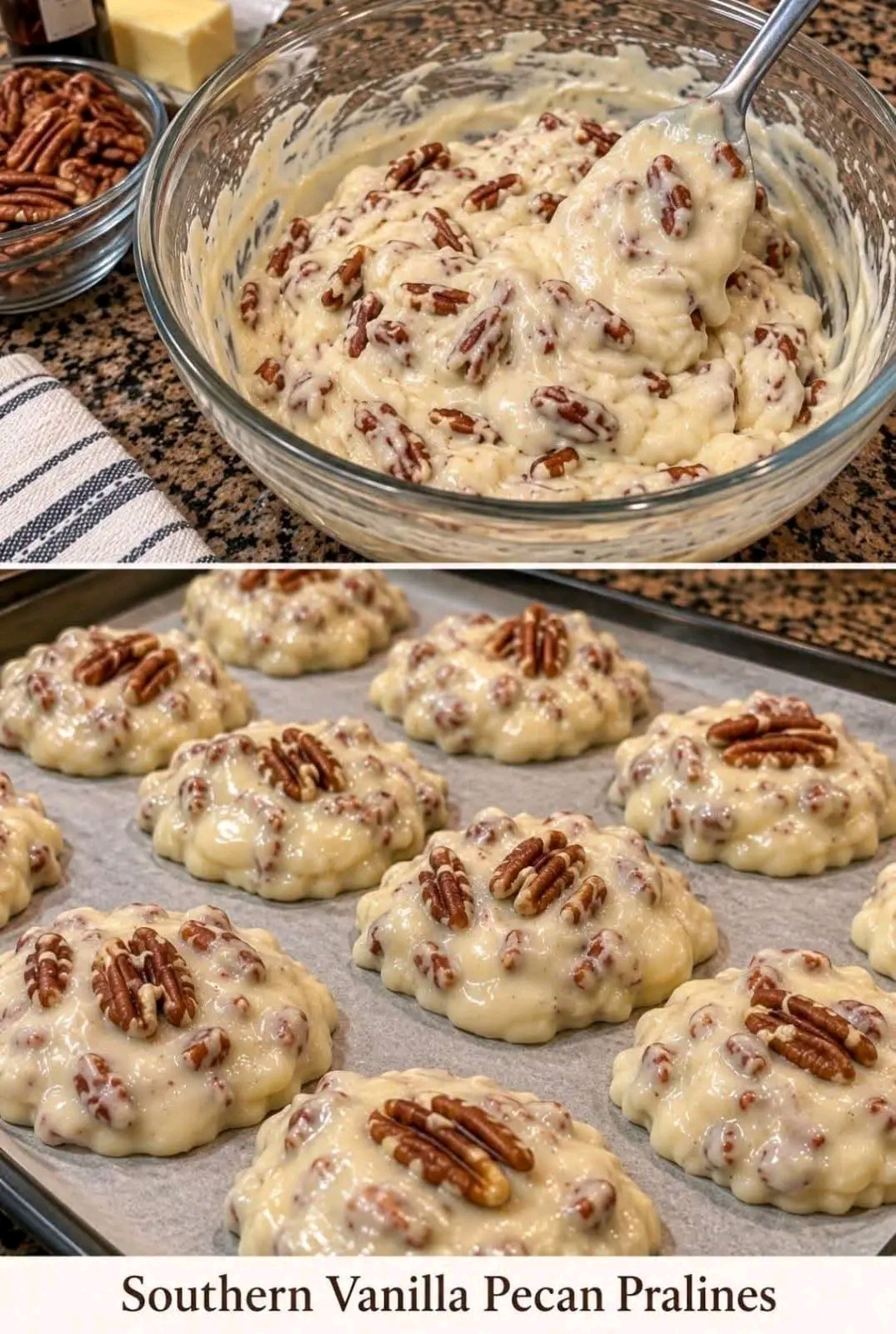
Southern vanilla pecan pralines
Southern Vanilla Pecan Pralines Ingredients 1½ cups granulated sugar. ½ cup packed light brown sugar. ½ cup heavy cream. ¼ cup whole milk. 2 tablespoons water. 4 tablespoons unsalted butter, cut into small pieces. 2 cups pecan halves or roughly chopped pecans. 2 teaspoons pure vanilla extract. ¼ teaspoon salt. Instructions Line two baking sheets…