
Introduction
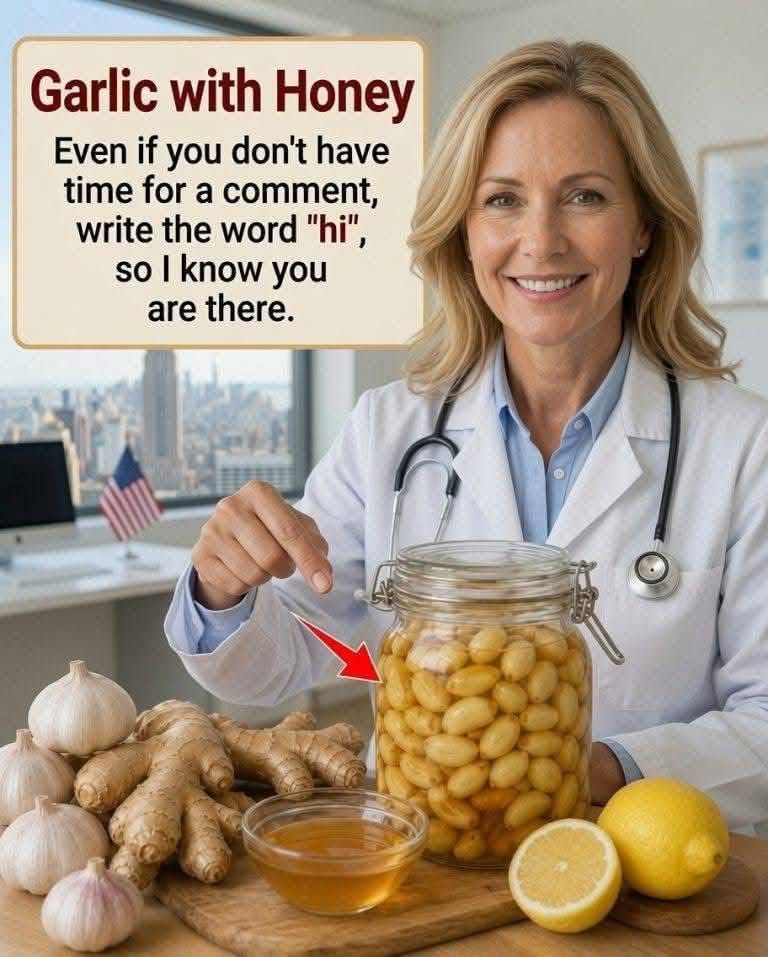
Honey-fermented garlic is a simple preparation made by combining fresh garlic cloves with honey and allowing them to ferment slowly. Over time, the garlic becomes softer and milder, while the honey develops a rich, savory-sweet flavor. It can be enjoyed as a flavorful food condiment or added to dressings, marinades, sauces, and other dishes.
Origin
Fermenting foods with natural ingredients is an ancient culinary practice found across many cultures. Garlic has been cultivated for thousands of years, while honey has long been valued as both a sweetener and a food-preserving ingredient. Although the modern combination of garlic and honey is especially popular in homemade fermentation and wellness communities, it is best understood as a traditional-style food preparation rather than a single dish with one documented point of origin.
Cultural Significance
Garlic and honey have both played important roles in traditional foodways around the world. Garlic is a staple ingredient in Mediterranean, Middle Eastern, Asian, and many other cuisines, while honey has been used historically in cooking and preservation. Honey-fermented garlic brings these two familiar ingredients together in a preparation that reflects today’s renewed interest in homemade fermentation and natural foods.
Ingredients & Quantities
Makes approximately 1 small jar:
- 1 cup fresh garlic cloves, peeled
- 1 to 1½ cups raw or regular honey, enough to completely cover the garlic
- 1 clean glass jar with a loose-fitting lid
Optional Additions
For different flavor profiles, you can add:
- A small piece of fresh ginger
- A pinch of chili flakes
- Fresh rosemary or thyme
- A little lemon zest
- Black peppercorns
Keep optional ingredients clean and use food-safe preparation practices.
Tips for Success
- Use fresh, firm garlic without bruises or mold.
- Use a clean, dry glass jar.
- Make sure the garlic remains submerged in honey as much as possible.
- Do not tightly seal the jar during active fermentation; pressure can build up.
- During the early stage, check the jar regularly and release pressure if necessary.
- Fermentation time and activity can vary with temperature and ingredients.
- Important: Honey-fermented garlic is a home fermentation, so safe technique matters. Garlic stored in anaerobic conditions can present botulism concerns, and honey does not make garlic automatically shelf-stable. For the safest approach, use a tested fermentation recipe and appropriate refrigeration/storage guidance rather than relying on room-temperature storage indefinitely.
Instructions
- Peel the garlic cloves and gently crush or nick them to help release their juices.
- Place the garlic into a clean glass jar.
- Pour honey over the garlic until the cloves are completely coated and submerged.
- Leave some headspace in the jar because fermentation can produce gas.
- Close the lid loosely rather than sealing it tightly.
- Keep the jar in an appropriate fermentation environment according to a tested recipe, checking it regularly.
- If the garlic rises above the honey, gently push it back down with a clean utensil.
- Once the desired flavor and texture develop, follow safe storage instructions for the specific fermentation method.
- Discard the preparation if you notice mold, unusual colors, putrid odors, or other signs of spoilage.
Description
The finished garlic becomes softer, less sharp, and more mellow. The honey takes on a savory garlic character while retaining its natural sweetness. A small amount can add complexity to roasted vegetables, grilled meats, sandwiches, salad dressings, and sauces.
Nutritional Information
The nutritional value depends on the amount consumed and the honey-to-garlic ratio. Garlic contributes small amounts of vitamin B6, manganese, and other micronutrients, while honey primarily provides carbohydrates and naturally occurring sugars. Because honey is calorie-dense, a small serving is generally sufficient.
Conclusion
Honey-fermented garlic is an intriguing combination of sweet and savory flavors. With patience and careful food-safety practices, it can become a versatile homemade ingredient for everyday cooking.
Recommendation
Use it primarily as a flavorful culinary ingredient rather than as a substitute for medical treatment. Start with a small amount and refrigerate or store it according to a tested food-safety fermentation method. Never give honey-containing preparations to children under 12 months of age.
Embracing Healthful Indulgence
Healthful eating can include flavorful foods prepared with simple ingredients. Honey-fermented garlic offers a delicious balance of sweetness and savory garlic flavor, making it an enjoyable addition to meals without requiring complicated cooking. The key is to appreciate it as a flavorful food while keeping proper fermentation and storage safety at the center of the preparation.